
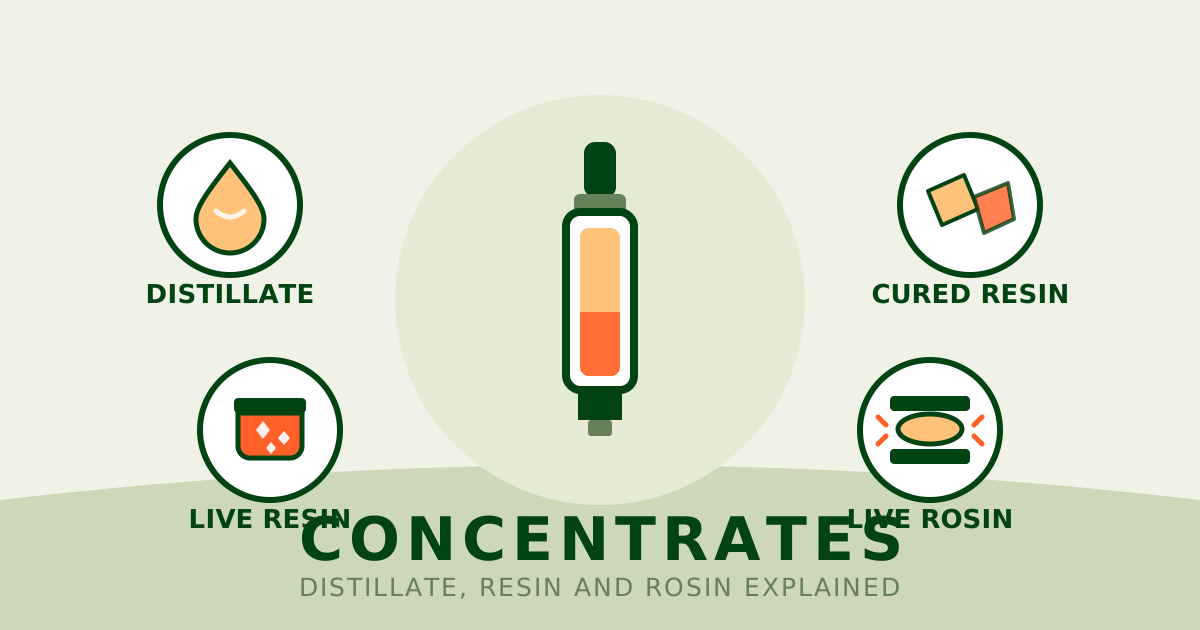
You’re at the counter looking at two vape carts. Same strain name, same size, similar THC number. One is $30. The other is $70. The only real difference on the label is a word you’ve heard before but never actually learned: distillate, live resin, live rosin.
That one word explains almost the entire price gap. Here’s what each of them means.
It all starts in the same place
Cannabis flower is covered in tiny resin glands called trichomes. That’s where the THC, the CBD, and the terpenes live.
Every concentrate is just a different method of getting that resin off the plant and into a cart, a dab, or an edible. The methods differ in how gentle they are. Gentler methods keep more of the original plant intact. Harsher methods strip it down.
That’s the whole story. Everything below is a variation on it.
Distillate
What it is: Cannabis is extracted, then that extract is repeatedly heated and refined until nearly everything except THC is boiled away. The result is a clear, odorless oil that can test at 90% THC or higher.
The trade-off: Terpenes can’t survive that process. They evaporate at much lower temperatures than THC does. So distillate comes out potent but blank.
To give it flavor, producers add terpenes back in afterward. Sometimes those are botanical terpenes sourced from other plants, sometimes cannabis-derived terpenes captured earlier in the process. It’s why a distillate cart can taste like a fruit candy no cannabis plant has ever produced.
Where you’ll see it: Most value-priced vape carts, and the large majority of edibles. A flavorless oil is exactly what you want when the flavor is supposed to come from the gummy.
Bottom line: Efficient, consistent, and strong. It just doesn’t taste like the plant it came from.
Cured resin
What it is: Flower is harvested, dried, and cured the same way smokable bud is. Then a solvent, usually butane or propane, pulls the resin off. The solvent is purged out, leaving a concentrate you might see sold as shatter, badder, budder, or sauce.
The trade-off: Drying and curing costs you terpenes. Some evaporate, some degrade. You keep a real terpene profile, just a diminished version of what the living plant had.
Bottom line: A genuine step up from distillate. The flavor is the plant’s own, not added back in later.
Live resin
What it is: The same solvent extraction as cured resin, with one critical change. The plant is frozen immediately after harvest and never dried or cured. It goes into extraction still carrying the terpenes it had while it was alive. That’s what “live” means on a label.
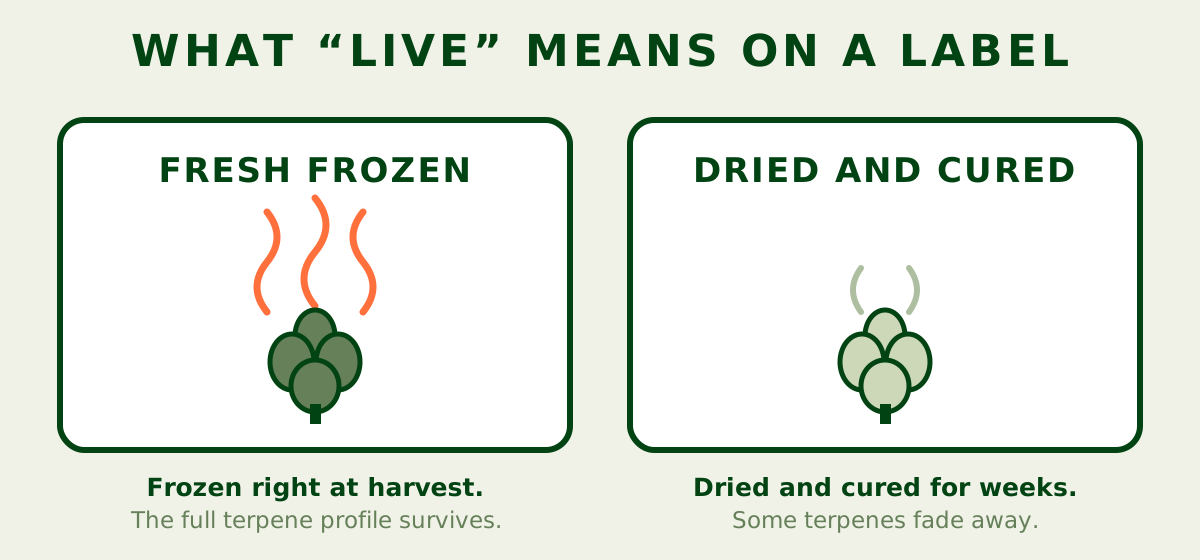
The trade-off: Fresh-frozen material has to stay cold from the field all the way through the lab. That means freezer space, faster processing, and less margin for error.
Bottom line: This is where most people first notice the difference. Live resin tastes and smells noticeably closer to the actual strain, and many people find the character of it more specific and layered.
Rosin
What it is: No solvents at all. Just heat and pressure. Flower or hash gets pressed between heated plates and the resin squeezes out.
- Cured rosin is pressed from dried, cured flower or from hash made out of it.
- Live rosin is the top of the category. Fresh-frozen plant material is washed in ice water to separate the trichomes, that hash is dried, and then it’s pressed. Nothing but water, ice, heat, and pressure ever touches it.
The trade-off: Yield. Solvent extraction pulls a high percentage of the available resin out of a given amount of plant material. Ice water washing pulls far less, and only high quality flower washes well in the first place. A producer making live rosin is starting with their best flower and finishing with a small amount of product from a lot of it.
Bottom line: The purest expression of a strain available, made with the least intervention and the highest input cost.
The quality ladder
From most processed to least:
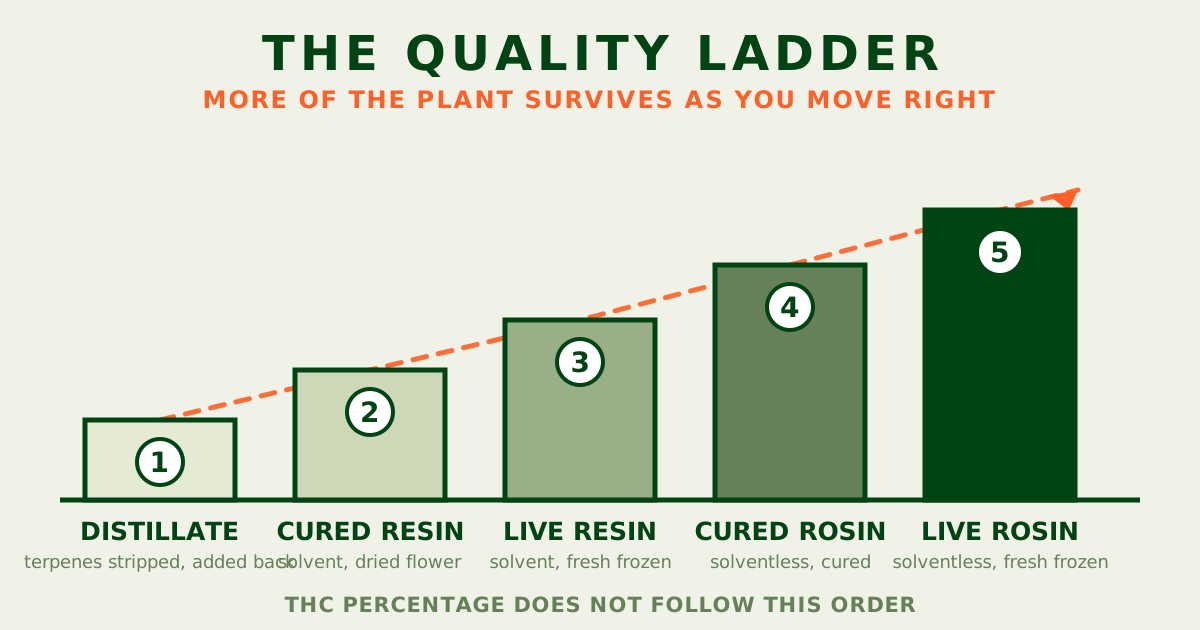
Notice what that ladder is not organized around: THC percentage. Distillate usually posts the highest number on the label and sits at the bottom. Live rosin often tests lower and costs the most.
That isn’t a pricing mistake. THC percentage measures one molecule. What separates these products is everything else in the jar: the terpenes, the minor cannabinoids, and how intact the original plant chemistry is. The further up the ladder you go, the more of the plant survives the trip, and the more it costs in flower quality, cold storage, labor, and lost yield to get it there. Our guide on how to read a cannabis label digs further into why the potency number is a poor shopping tool on its own.
So what should you actually buy?
- You want strong, affordable, and predictable. Distillate is doing its job. No shame in it.
- You want to taste the strain without going all the way up. Live resin is the sweet spot for most people, and it’s where the jump in quality is most obvious relative to what you pay.
- You care about flavor, nuance, and knowing exactly what’s in it. Live rosin. It’s expensive for reasons you can taste.
- Shopping edibles? Most gummies use distillate, which is intentional and fine. If you spot a live rosin edible, expect a fuller character and a little cannabis flavor coming through the candy.
If the label doesn’t make the extract type obvious, ask. It tells you more about what you’re getting than the THC number will.
Our certified specialists at all three Twin Cities stores can walk you through what’s on the shelf and help you find the right spot on that ladder for your budget. Browse what’s in stock on the online menu, and every purchase earns rewards points.